


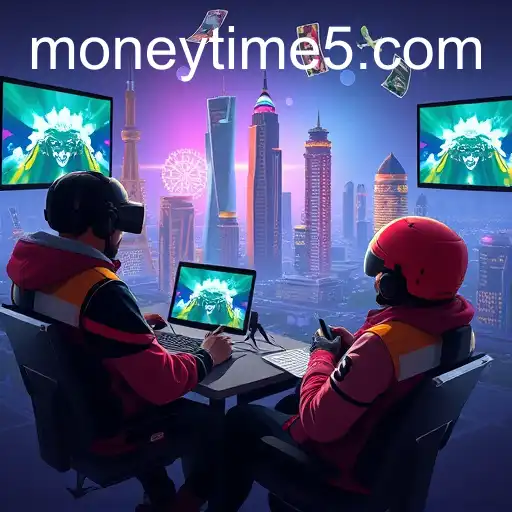
Explore the integration of economic principles in modern gaming and its impact on players.
In the rapidly evolving world of digital gaming, 2025 has proven to be a pivotal year. As we stand on the cusp of new technological innovations, the concept of 'money time' has emerged as a focal point on popular English game websites. This term symbolizes not just in-game wealth and resources but also the broader economic principles that developers weave into gaming narratives.
The inclusion of realistic economic models in games is not entirely novel, yet its sophistication and importance are more pronounced today than ever. Games like "Economic Dynasty" and "Virtual Tycoon" have established a precedent, introducing players to complex financial management scenarios and offering an engaging blend of education and entertainment. These games not only require strategic thinking but also mimic real-world economic principles such as supply and demand, investment strategies, and market fluctuations.
The dynamic nature of 'money time' also reflects in multiplayer online environments where virtual currencies are traded with real monetary value. This phenomenon has spurred discussions about the ethical ramifications of microtransactions and pay-to-play models, which, while providing game developers with profit, often blur the lines of fair gameplay. Regulatory bodies across the globe are now debating on establishing stringent measures to ensure that these economic dynamics do not exploit vulnerable players.
On the player front, the response has been mixed. Many enjoy the added depth that economic elements bring into the gaming experience. However, others criticize that these features sometimes overpower the core entertainment value of games, turning what should be a leisurely activity into a stressful simulation of real-life financial challenges.
The future of gaming is undeniably intertwined with economic elements. As developers continue to push boundaries by integrating virtual and augmented realities, the role of 'money time' could evolve to encapsulate entirely new dimensions. Moreover, as games increasingly mimic real-world systems, they offer the potential to become powerful educational tools, teaching both young and adult players valuable lessons in financial literacy.
In conclusion, as we advance into this exciting new phase of the gaming industry, the balance between innovation and ethical responsibility remains critical. The integration of monetary themes within games is a testament to the industry's growth and adaptability, presenting both challenges and opportunities for developers and gamers alike.

