


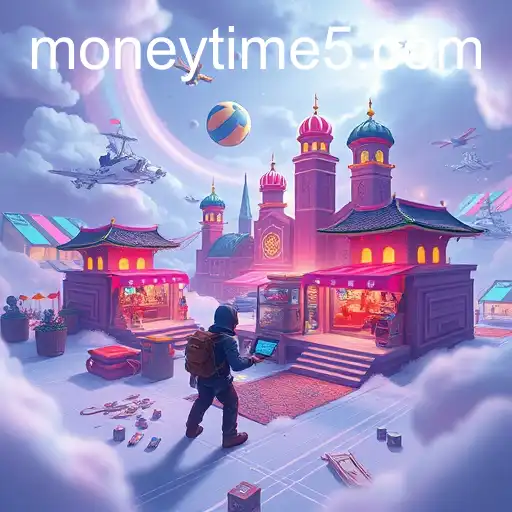
Exploring the intersection of virtual worlds and economic dynamics, this article delves into how gaming is influencing financial trends and what it means for developers and players alike.
In 2025, the global gaming industry continues to thrive, not just in entertainment value, but also as a notable economic force. With 'money time' emerging as a pivotal concept on English game websites, it sheds light on the growing financial complexities within digital realms. As this year unfolds, we see the convergence of gaming and real-world economies like never before.
In recent years, the concept of virtual currency and in-game economies has significantly evolved. Popular games such as Fortnite and Roblox have pioneered the integration of virtual marketplaces where players can buy, sell, and trade assets with real-world value. These platforms not only enhance player engagement but also open new revenue streams for developers and entrepreneurs.
Commentary from industry experts highlights that game developers are increasingly focusing on creating sustainable in-game economies that mimic real-world financial systems. This trend is driven by players' desire for immersive experiences and the opportunity to earn or invest within the gaming infrastructure. As seen with non-fungible tokens (NFTs) and blockchain technology, gaming is at the forefront of digital financial innovation.
Reports indicate that as gaming worlds become more sophisticated, the economic potential grows exponentially. Analysts predict that by developing complex game economies, companies can expect higher retention rates and profitability. Games are no longer just about entertainment; they're evolving into social and economic platforms that leverage the power of 'money time'.
The dynamics of the gaming industry mirror broader economic trends, as traditional barriers between virtual and physical markets dissolve. As more players engage in these virtual economies, they become familiar with financial concepts, potentially impacting how they interact with real-world economies. This shift presents opportunities and challenges for regulators as they grapple with virtual commodities' taxation and regulation.
In conclusion, the intersection of gaming and economics is changing the landscape for all stakeholders involved. From providing developers with innovative monetization strategies to offering players a sense of agency within game worlds, the financial aspect of gaming is pivotal in 2025. As we look ahead, 'money time' in gaming signifies more than just play—it represents a thriving economic ecosystem in its own right.

