


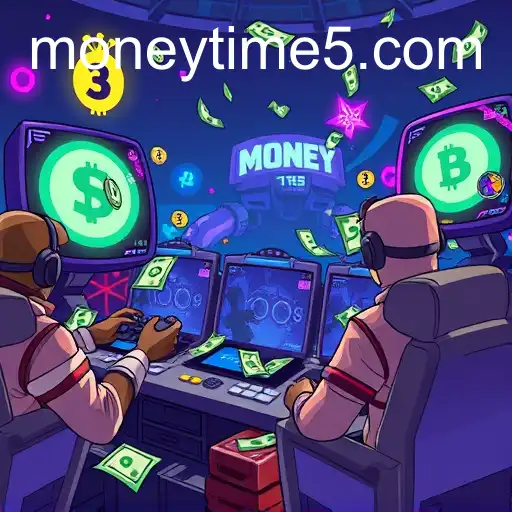
Exploring the impact of virtual economies and the growing trend of 'Money Time' in the online gaming industry.
In recent years, the concept of 'Money Time' has surged in popularity within the online gaming community, signifying a new era of financial opportunity and economic engagement for players worldwide. This trend has transformed how avid gamers approach their favorite platforms, offering both challenges and benefits.
As 2025 progresses, 'Money Time' is increasingly becoming a pivotal element in the gaming industry, intricately linked with the rise of virtual economies. These economies allow players to earn real money by playing games, selling in-game assets, and leveraging their skills. For instance, games like Fortnite and Roblox have integrated new monetization strategies, giving players chances to profit from their creative contributions and strategic gameplay.
The driving force behind 'Money Time' stems from the industry's shift toward more immersive and interactive experiences. Players are not just consumers; they are active participants who contribute to the game's ecosystem. With blockchain technology and NFTs gaining traction, digital assets have become legitimate financial vehicles, further emphasizing the importance of virtual economies in modern gaming.
Commentators argue that this trend exemplifies a broader shift in how we perceive games, not merely as entertainment but as viable economic platforms. However, this transformation presents challenges, especially regarding regulation and ensuring fair play. Hacking, fraud, and the digital divide are issues that need addressing to maintain both excitement and sustainability.
Ultimately, 'Money Time' represents more than a fleeting trend; it embodies a future where the line between gaming and earning blurs, offering players new avenues for financial success and influencing the dynamics of the gaming industry as we know it.

